
// AI agents & automation
Workflow Automation in London
Take repetitive admin out of your team’s day.
Discuss what you want to improve and whether we can help. No technical brief needed.
// The work
What this can change
Give routine work a clear route from start to finish.
Following up an enquiry, filing a document or checking an invoice can take several small actions across several tools. We map that routine and automate the steps that can follow clear rules, so your team can focus on the work that needs their attention.
For example, an enquiry could create a customer record, prepare a response for approval and schedule a follow-up. An invoice could be read, checked against a purchase order and sent to the right person when something does not match. These are example workflows; the actual steps depend on your systems and rules.
We start with a bounded process, test the ordinary path and the exceptions, and agree who is responsible after launch. If a step needs judgement, an AI assistant can help within defined limits while sensitive or uncertain actions return to a person.
Less work on your shoulders. A process you can trust.
Some work needs reliable rules. Some needs judgement. We combine both around the task, with checks before important actions.
Keep routine work moving.
For orders, stock updates and scheduled reports.
When the steps are known, a fixed workflow moves work between your systems. Exceptions come back to your team.
SOHOB Workflows
Illustrative example
Routine work, following your rules
Apply your rules
Run the agreed sequence consistently, using code and business rules where the path is already known.
Illustrative workflows · research behind the approach
The canvas uses connected nodes and branches inspired by OpenAI’s Agent Builder. Original SOHOB illustrations of published patterns, rather than a client system. See Anthropic’s Building effective agents for workflows, tool use and feedback loops, and When AI builds itself for iterative AI-assisted development. Checking and revising work does not mean retraining the underlying model.
Useful AI. Sensible running costs.
The right model for the job.
Use lighter models for routine tasks and more capable ones where the work needs them. Test prompts against real examples before scaling up.
Less wasted AI spend.
Trim unnecessary context, reuse repeated inputs where supported and batch work that can wait. Measure token costs alongside quality and speed.
Infrastructure that fits.
Run applications and agents in containers, with Kubernetes where it fits. Choose managed hosting or your infrastructure, connected to model APIs or suitable self-hosted models.
Clear limits. Visible results.
Set tool permissions, spending limits and approval points. Track failures and running costs so you can see what needs improving.
Model and prompt choices are evaluated against the work they need to do. Related reading: OpenAI’s guide to optimising agents for cost and quality.
Your agents, hosted and looked after.
Like managed hosting for a website, with ongoing care for the agents doing your work. We run the infrastructure, monitor jobs and maintain the tools and integrations they depend on.
Explore managed agents & hostingInfrastructure without the daily upkeep
Hosting for websites, apps and agents, with containers and Kubernetes where the workload calls for it. We manage deployment, capacity and the underlying environment.
Someone watching the work
Monitoring for failed runs, service issues and unexpected usage. Support hours, response targets and escalation routes are agreed with you.
Maintenance as things change
Security updates, dependency upgrades, integration fixes and tested releases. Model or prompt changes are checked against your tasks before rollout.
// Inside the service
What we deliver
Choose a routine worth improving
Review where staff repeat work, wait for handovers or correct avoidable errors. Define the starting point, the expected result and how you will judge whether the automation helps.
Move work between your existing tools
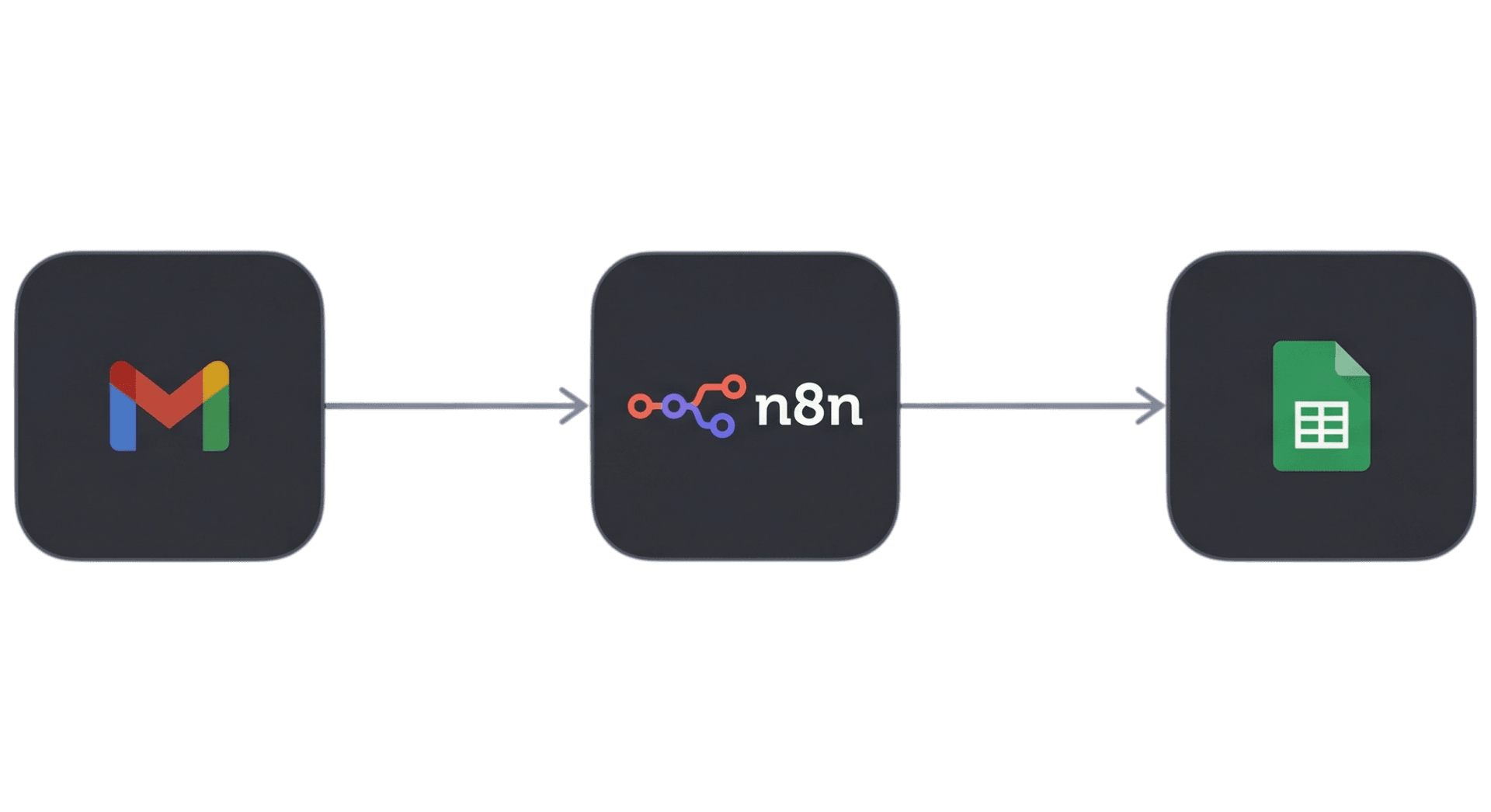
Build on n8n, Make, Zapier or a custom integration according to the process. Use APIs and webhooks where available, with a test environment for changes before they reach everyday work.
Process documents with checks built in
Extract agreed information from invoices, purchase orders or delivery notes. Check required fields and route mismatches for review before writing to your accounting or ERP system.
Keep people in control of exceptions
Use rules for predictable steps and AI assistance where interpretation is useful. Define approval points, confidence checks and situations where the workflow must stop and ask for help.
See what ran and what needs attention
Keep run histories and notify the right person when work stalls or fails. Agree retry limits, monitoring and maintenance so the automation has an owner after launch.
// In practice
Related work


What would you like to improve?
Tell us what is getting in your way, what you use today and what you want to change.
// Related services
What else we build
Automate the repetitive work
Website FAQ Chatbots
Answer routine questions and help the right enquiries reach your team.
Learn moreAutomate the repetitive work
AI-Powered Analytics & Insights
Ask better questions of your data and spot changes sooner.
Learn moreAutomate the repetitive work
Intelligent Document Processing
Spend less time typing information out of invoices and forms.
Learn more